No wrong palette
Without a reference image to copy, you are free to try bold, unexpected color combinations and discover what feels right to you.
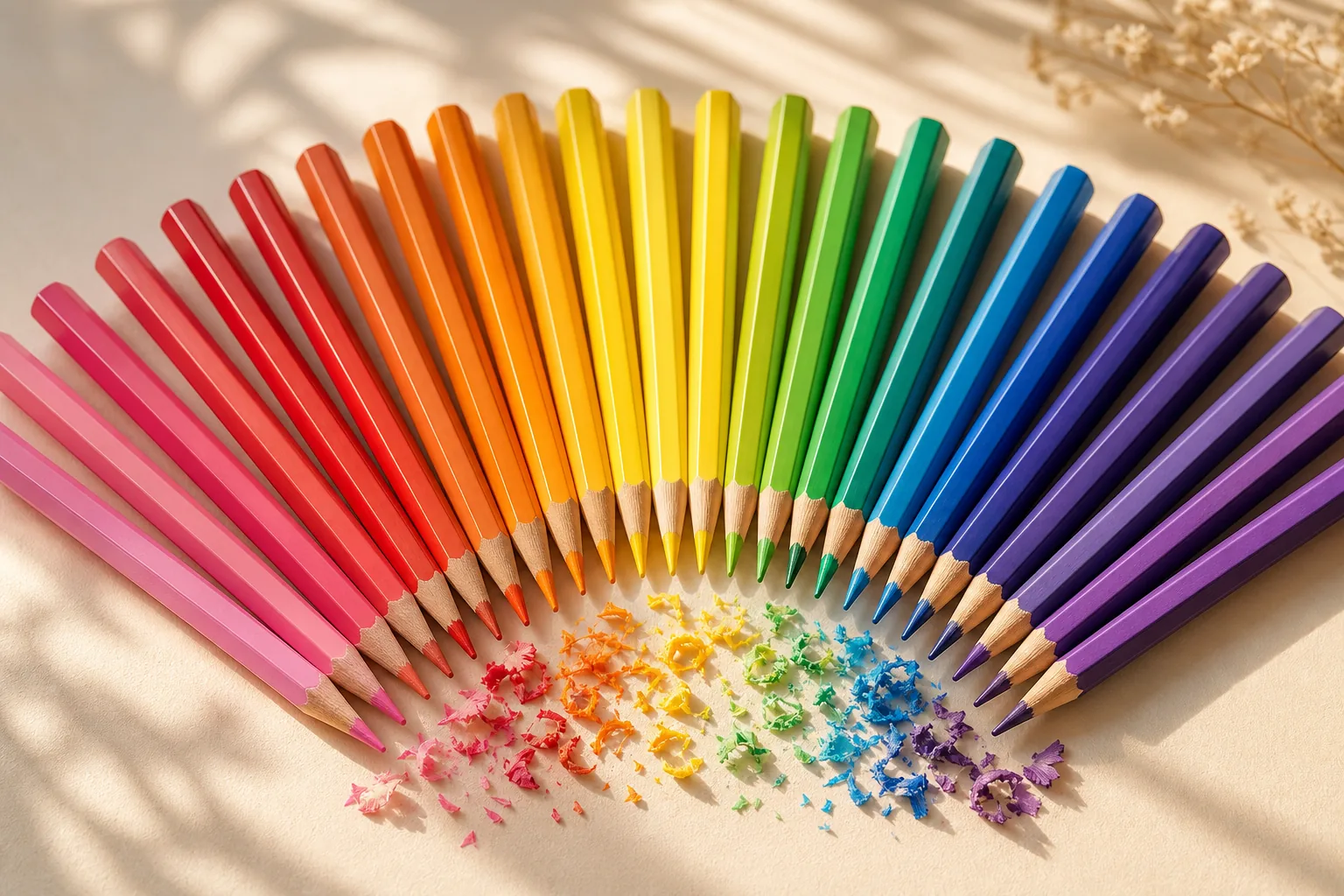
Coloring for creativity is where imagination starts. With no fixed palette and no wrong answers, every page becomes a small experiment in color and style.

Without a reference image to copy, you are free to try bold, unexpected color combinations and discover what feels right to you.
Finishing a page you colored your own way teaches the brain that creative decisions are safe — a skill that transfers far beyond coloring.
Coloring supports color recognition, fine motor skills, and visual planning, making it a quiet favorite for parents and teachers alike.
Who it’s for
Best for kids, students, and adults who want to exercise their imagination — and for parents and teachers looking for a screen-light creative activity that builds real skills.
Why it works
Open-ended coloring removes the pressure of “getting it right.” That freedom is exactly what lets the brain experiment, which is the core mechanism behind building creative thinking and visual confidence over time.
Practical tips
Coloring for creativity is more than a pastime — it is a low-pressure way to train imagination. By removing the need to copy a reference, open-ended coloring invites experimentation with color, contrast, and composition.
For children, coloring supports key creative skills: color recognition, fine motor control, visual planning, and the confidence to make aesthetic choices. For adults, it keeps the creative muscle active in a way that feels playful rather than demanding.
Teachers and parents often use coloring as a creativity prompt because it requires no setup and adapts to any age. A single page can become a lesson in color theory, a storytelling exercise, or a quiet independent activity.
Colors Goods offers pages designed to leave room for interpretation — clear outlines without rigid expectations, so every colorist can make the page their own.
Yes. Open-ended coloring — where there is no reference image to copy — encourages experimentation with color and composition, which strengthens creative thinking over time.
Yes. Coloring supports color recognition, fine motor skills, visual planning, and focus. It is widely used in classrooms and at home as a calm, skill-building activity.
Try constraints that force experimentation: use only three colors, color outside the expected palette, or invent a story for the scene. The goal is to break the habit of copying.
All ages. Young children build motor and color skills, while adults use it to keep the creative muscle active. The same page can serve both with different prompts.

Start coloring
Coloring for creativity is where imagination starts. With no fixed palette and no wrong answers, every page becomes a small experiment in color and style.

